Pacemakers
Your heart is controlled by electrical impulses, these impulses co-ordinate the chambers of the heart as they pump blood through your heart to your body.
A pacemaker is a small device which is usually implanted if your heart is beating too slowly, either some or all of the time, as this might mean that your heart’s electrical system isn’t working as it should be.
This could be for one of the following reasons:
Heart block- sometimes there can be a delay in the electrical connection between the two top chambers of the heart (atria) and the bottom two chambers (ventricles). Heart block can happen as we get older but can also happen if our heart’s muscle has been affected by a condition such as cardiomyopathy or myocarditis. Some medicines can also cause some people to have heart block. Not everyone with heart block will need a pacemaker.
Sick sinus syndrome - this is when the sinus node (your heart’s own pacemaker) is not functioning properly. A person with sick sinus syndrome may have a heart rhythm that is too slow. This can be more common in older people or in people who have had a heart attack or following heart surgery.
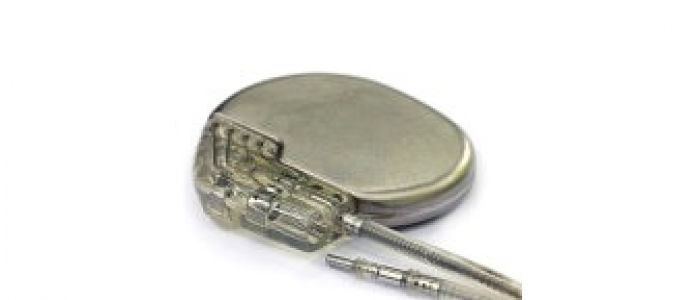
Most pacemakers are smaller than a matchbox, they contain a pulse generator, a battery and are connected to one or more wires which are called ‘pacing leads’. The pulse generator emits electrical impulses through the leads to your heart muscle, if the pacemaker senses that your heart has missed a beat or is beating too slowly it sends a signal at a steady rate. If it senses that your heart is beating at a steady rate it doesn’t send any signals to the heart.
Pacemakers also have a special sensor so that they can increase the number of signals sent for example if you are exercising and they also store information about your heart rhythm which can then be analysed by a specialist, sometimes this is sent via a home monitor to the specialist centre.
Your cardiologist will decide which type of pacemaker you need based on their clinical investigations. The types of pacemakers which are available are single chamber, dual chamber or CRT pacemakers. Your cardiologist will discuss with you which one would be best for you and why.
- A single lead pacemaker has one lead which is located in the right atrium (one of the top chambers of the heart) or right ventricle (one of the bottom chambers of the heart). This type is sometimes implanted in people who have been diagnosed with ‘sick sinus syndrome’.
- A dual chamber pacemaker has two leads, one is located in the right atrium and the other to the right ventricle, this type is implanted so that the top and bottom chambers of the heart work in conjunction with each other ensuring that the atria and ventricles contract and relax at the same time to help improve the function of the heart. This type is sometimes implanted in people who have been diagnosed with ‘heart block’.
- Cardiac Resynchronisation Therapy (CRT) may be needed by some people, this type of pacemaker helps to co-ordinate the pumping of the heart muscle in the left and right ventricles. There are two types CRT-P and CRT-D, the CRT-P has a pacemaker function built in to the device and the CRT-D has a defibrillator built in to the device. Some people with heart failure may be advised to have one of these devices implanted. This is because sometimes in heart failure the two lower chambers of the heart aren’t always contracting and relaxing at the same time as they should ideally be. This device can help with symptoms of heart failure.
A pacemaker is usually fitted as a day case with a local anaesthetic and can take about one hour to be implanted and checked. The pacemaker is usually fitted on your left side, as this is closer to the heart and allows the wires to be inserted easily.
After your pacemaker has been fitted you will have a small wound which is likely to have been closed with dissolvable stitches or glue. You will be advised to avoid lifting your arm on the pacemaker side above your shoulder and to avoid strenuous activities for 4-6 weeks after your pacemaker has been implanted, this is to help prevent the leads moving following implantation. You will also be advised not to drive for 4 weeks post-implantation Before you leave hospital you will be given a pacemaker identification card with the details of your device and you should keep this card with you at all times in case of an emergency. You will also be given an appointment to attend the hospital so that your pacemaker can be checked by a specialist.